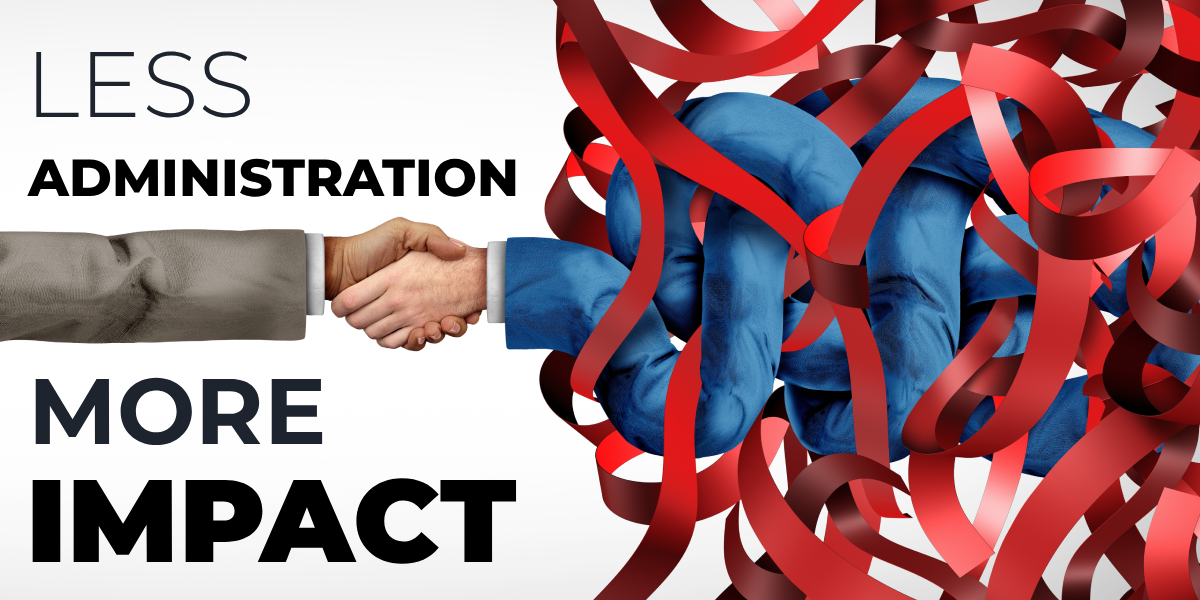
How Sweden’s “Anti-Red Tape” initiative shows the power of structure, standards, and shared data.
Across Europe, the digitalization of the public sector has promised less paperwork and more efficiency. But the reality has often been the opposite. New digital systems tend to create new layers of administration: more reporting, more forms, more complexity.
Sweden’s municipalities are no exception. But a new national report, “Anti-Red Tape” (published by the Swedish Association of Local Authorities and Regions, SKR), points to a different path forward: one based on structure, standards, and data that actually connects.
When structure creates freedom
The Anti-Red Tape report highlights what many public organizations recognize all too well: data and information are scattered across systems, formats, and responsibilities. Instead of enabling automation, this fragmentation forces staff to manually re-enter or reconcile information — wasting valuable time and energy.
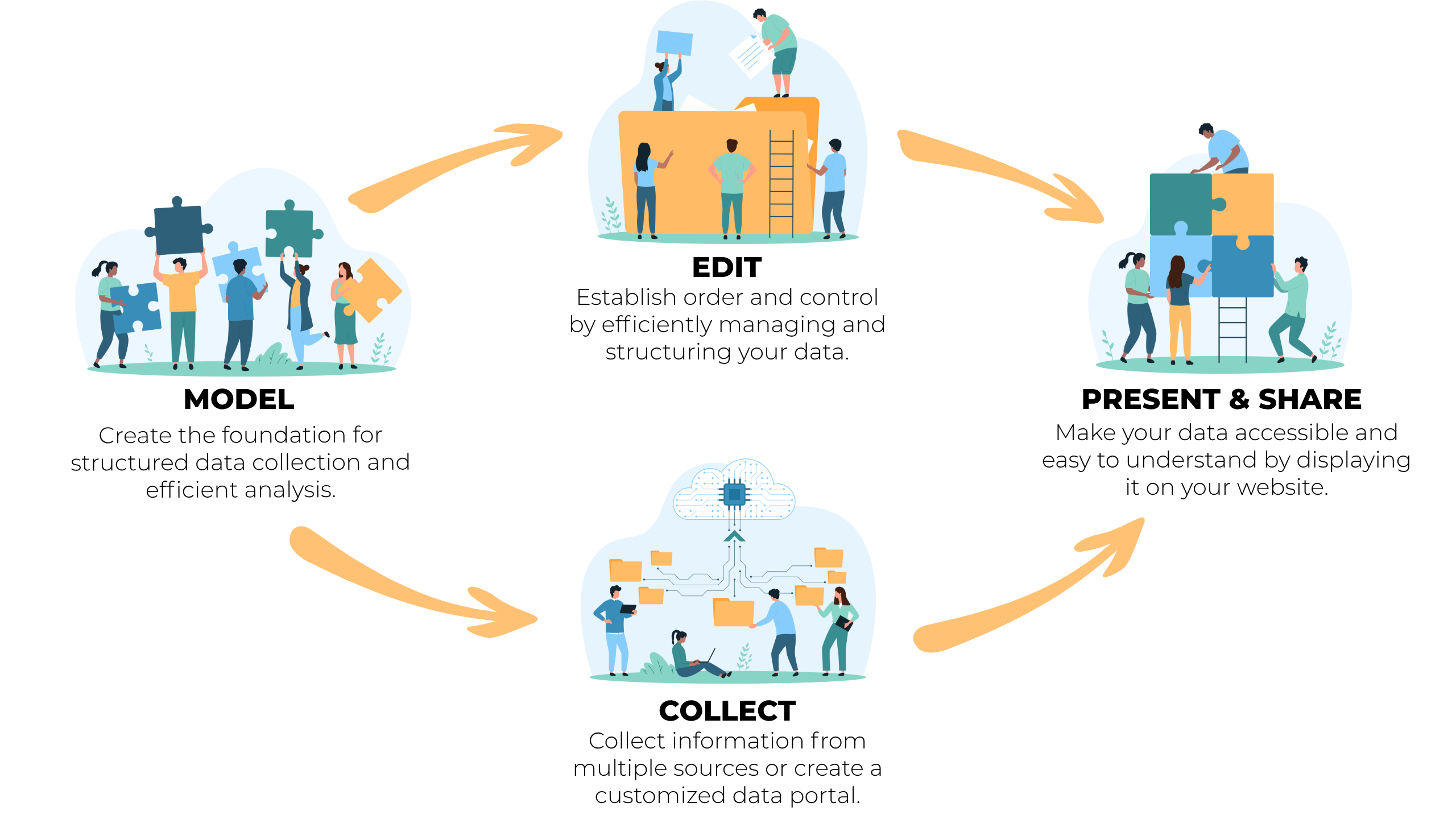
But when data is described in a common way – according to a shared model – something completely different happens. Information can flow freely between departments without anyone having to manually remap fields.
Multiple municipalities can merge their data without cleaning formats by hand.
You can build on what already exists instead of starting from scratch.
From Keys to Maps
A good example of this is Visit Sweden – a state-owned company responsible for promoting Sweden as a travel destination. By bringing together tourism data from across the country, Visit Sweden has created a single, searchable information hub where regional tourism boards and local destinations describe places, activities, and experiences in the same structured way.
This shared approach allows information to be gathered, updated, and published automatically. Anyone searching for hiking trails in Dalarna, small-scale cafés in the north, or seaside accommodations along Sweden’s west coast can find accurate, up-to-date results – not because someone built a new database, but because the structure makes it possible.
Read also: Putting Open Data on the Map – Literally
The same principle applies on a local scale. In Skaraborg, a region in western Sweden, fifteen municipalities joined forces to create a shared map service showing available plots of land.
Because they all used the same metadata catalog, powered by EntryScape, they were able to combine their data seamlessly and launch the service in record time. It’s a clear example of how structured data and shared standards can turn local initiatives into connected ecosystems – and how the same approach can work anywhere in Europe where collaboration and openness matter.
Structure That Unlocks Possibility
This is at the heart of what we do at MetaSolutions.
We help organizations see the potential in the data they already have – and give it the structure it needs to create real value. When information connects, it becomes usable in new ways: in services, analysis, collaboration, and decision-making.
Want to try EntryScape Free? Click here!
We hope EntryScape can be that small investment that changes everything once you see the effect.
It’s only when you stop searching that you realize how much time was spent doing it. And that’s when new possibilities start to appear.